


Portable White Canopy: Your Reliable Shelter for All Outdoor Activities
Introduction
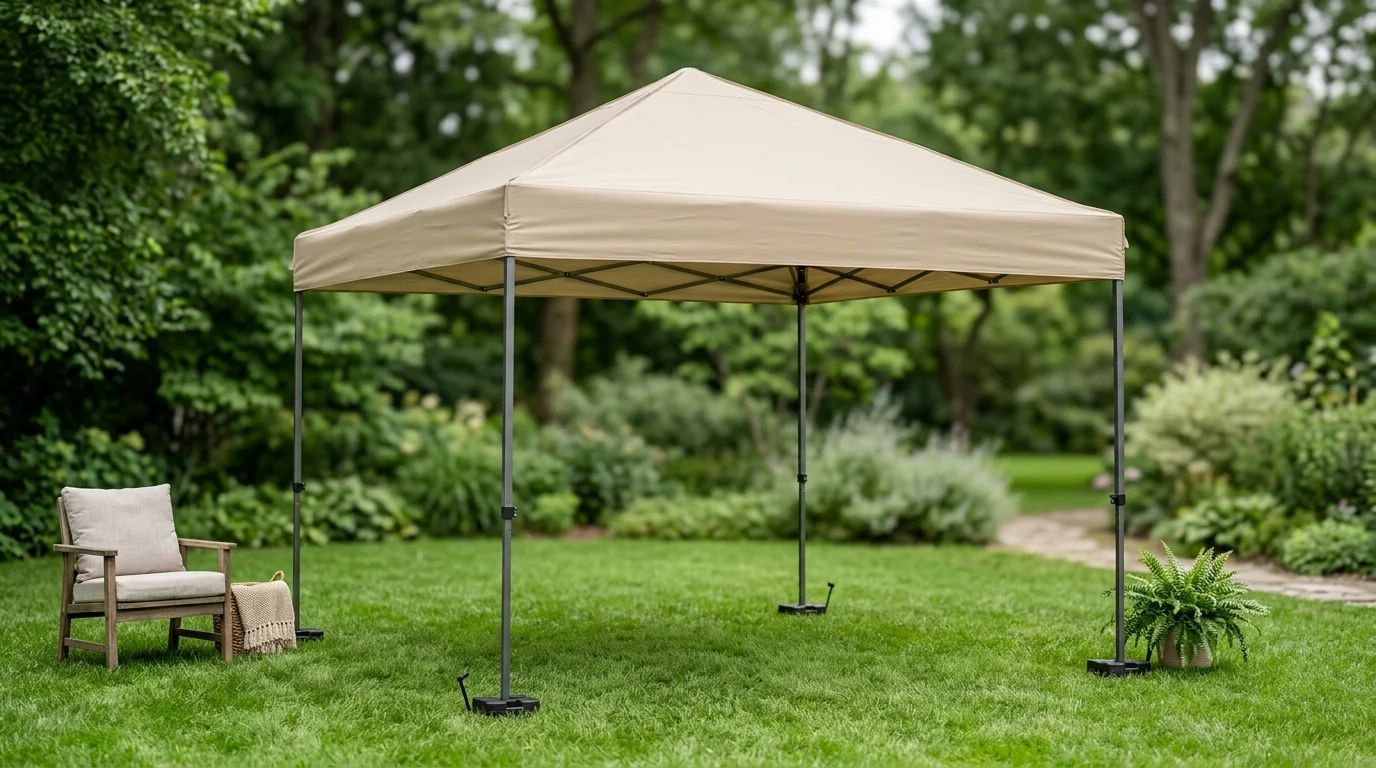
Outdoor setups often succeed or fail on how quickly they provide dependable shade, weather protection, and usable space. A portable white canopy stands out because it combines fast deployment with a bright, heat-reflective cover that helps keep the area underneath more comfortable in sun-heavy conditions. Its standardized sizing also makes planning easier for events, job sites, markets, and recreational use. This article explains what a portable white canopy is, how its folding frame design works, and why features such as coverage dimensions, material choice, and assembly speed matter when selecting shelter for different outdoor activities.
Why a Portable White Canopy Is a Strategic Shelter Solution
Deploying a reliable shelter in variable outdoor environments requires a balance of structural integrity and rapid assembly capabilities. A portable white canopy serves as a high-visibility, thermally efficient solution for commercial operations, field services, and event management. The standard white fabric leverages a high albedo effect to reflect significant solar radiation, which can reduce under-canopy temperatures by up to 15 percent compared to darker alternatives.
Furthermore, standard footprint dimensions, such as the ubiquitous 10x10 foot (3x3 meter) configuration, provide exactly 100 square feet of usable coverage. This standard sizing allows event planners and site managers to easily calculate spatial requirements for large-scale grid deployments, ensuring efficient use of available outdoor real estate.
What a portable white canopy is
Fundamentally, this shelter type is an Aluminum Folding Tent designed around a pre-assembled, articulating truss system. Unlike traditional pole tents that require complex tensioning ropes and extensive loose hardware, a modern portable canopy utilizes a scissor-action frame that expands outward and locks into place within minutes.
Professional-grade iterations feature telescoping legs equipped with push-button or heavy-duty thumb-latch sliders. This allows operators to adjust the peak height dynamically to accommodate uneven terrain or specific overhead clearance requirements. The canopy top itself is typically secured via reinforced hook-and-loop fasteners at the corners and midpoints, ensuring a taut, professional appearance that resists wind flap and prevents water pooling.
Key outdoor and professional use cases
The operational versatility of these structures extends across multiple commercial and professional sectors. In outdoor hospitality, trade shows, and farmers' markets, a white canopy is frequently mandated by event organizers to maintain visual uniformity and project a hygienic, organized aesthetic. Beyond baseline aesthetics, these units are critical assets for medical triage stations, mobile command centers, and specialized field crews who require immediate, reliable coverage from the elements.
The unpigmented white fabric maximizes ambient light transmission during daylight hours, significantly reducing the need for artificial lighting and power generators. Additionally, integrated UPF 50+ UV treatments protect on-site personnel and temperature-sensitive inventory from prolonged sun exposure during all-day deployments.
Specifications, Materials, and Performance Criteria
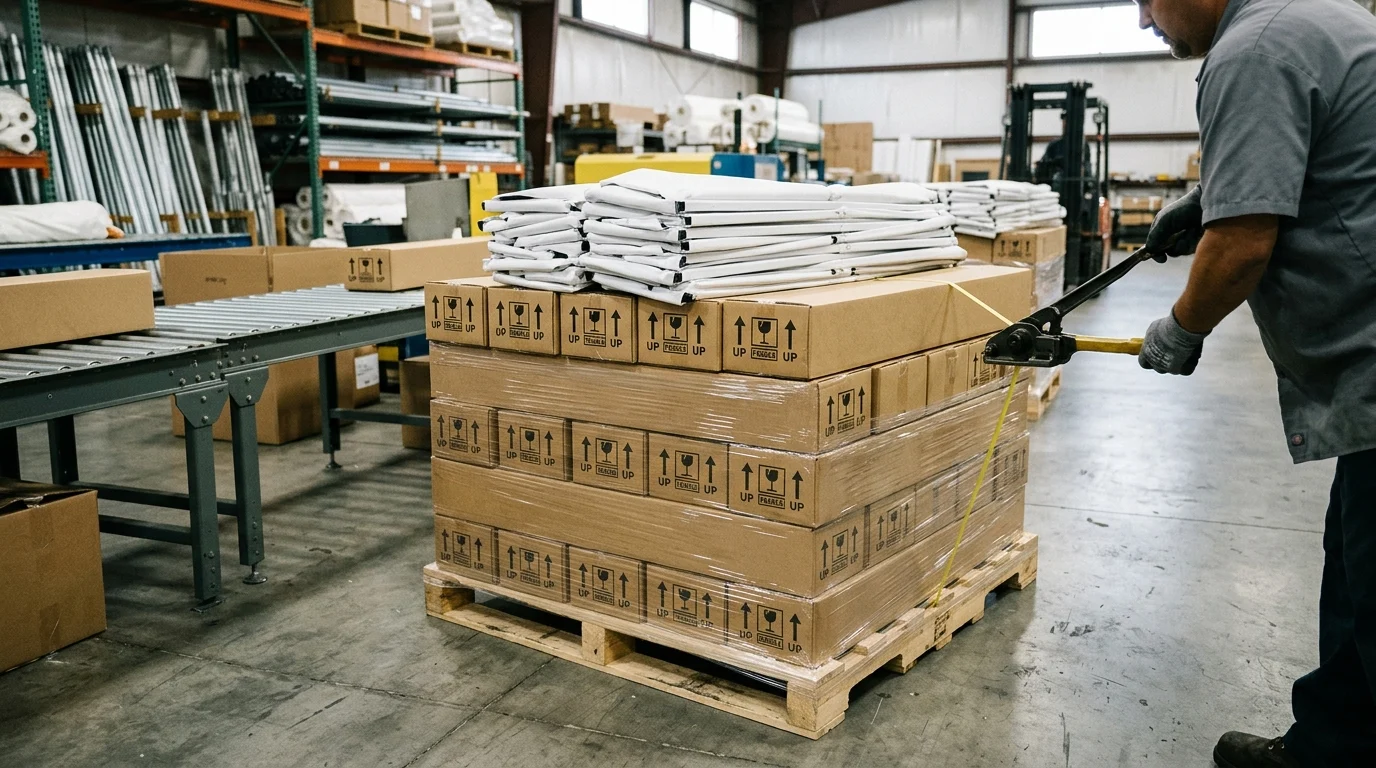
Evaluating shelter solutions requires a strict analysis of structural specifications, material tolerances, and overall engineering quality. The performance and longevity of a portable canopy are dictated by the synergy between its underlying skeletal framework and the protective textile top.
Buyers must scrutinize gauge thickness, alloy selection, and fabric denier to ensure the unit can withstand the rigors of frequent commercial deployment. For professional viability, manufacturers typically utilize frame wall thicknesses ranging strictly between 1.2mm and 2.0mm, ensuring the structure resists bending under stress without becoming excessively heavy for manual transport.
Frame, fabric, and weather-resistance essentials
The structural foundation of a high-performance Canopy relies heavily on the geometric profile of its vertical supports. Hexagonal and octagonal leg profiles offer superior torsional rigidity compared to standard square tubes, significantly reducing flex under lateral wind loads. Aerospace-grade aluminum is the preferred material for these frames, providing an optimal strength-to-weight ratio while inherently resisting oxidation and rust through a protective anodized layer, typically 10 to 15 microns thick.
For the textile component, commercial applications demand high-denier polyester—usually specified between 500D and 800D. This fabric must feature a robust polyurethane (PU) or polyvinyl chloride (PVC) inner coating to achieve a hydrostatic head rating exceeding 2000mm. This strict tolerance renders the shelter fully waterproof during heavy downpours rather than merely water-resistant, protecting valuable equipment underneath.
Core comparison points for evaluating options
When evaluating specific models, procurement specialists must balance overall weight against structural endurance. The following table illustrates the core differences between entry-level commercial and heavy-duty configurations:
| Specification | Standard Commercial | Heavy-Duty Commercial |
|---|---|---|
| Frame Material | Powder-coated Steel | Anodized Aluminum |
| Leg Profile | 30mm Square | 40mm - 50mm Hexagonal |
| Fabric Density | 400D - 500D PU Coated | 600D - 800D PVC Coated |
| Average Weight (10x10) | 22 kg (48 lbs) | 32 kg (70 lbs) |
| Wind Rating (Ballasted) | Up to 20 mph | Up to 40 mph |
Selecting the appropriate Folding Tents requires aligning these technical specifications with the expected frequency of use and the severity of local weather conditions. Heavy-duty aluminum models, while heavier, provide the necessary stability for multi-day outdoor installations and aggressive weather environments.
How Buyers Should Evaluate Compliance, Logistics, and Value
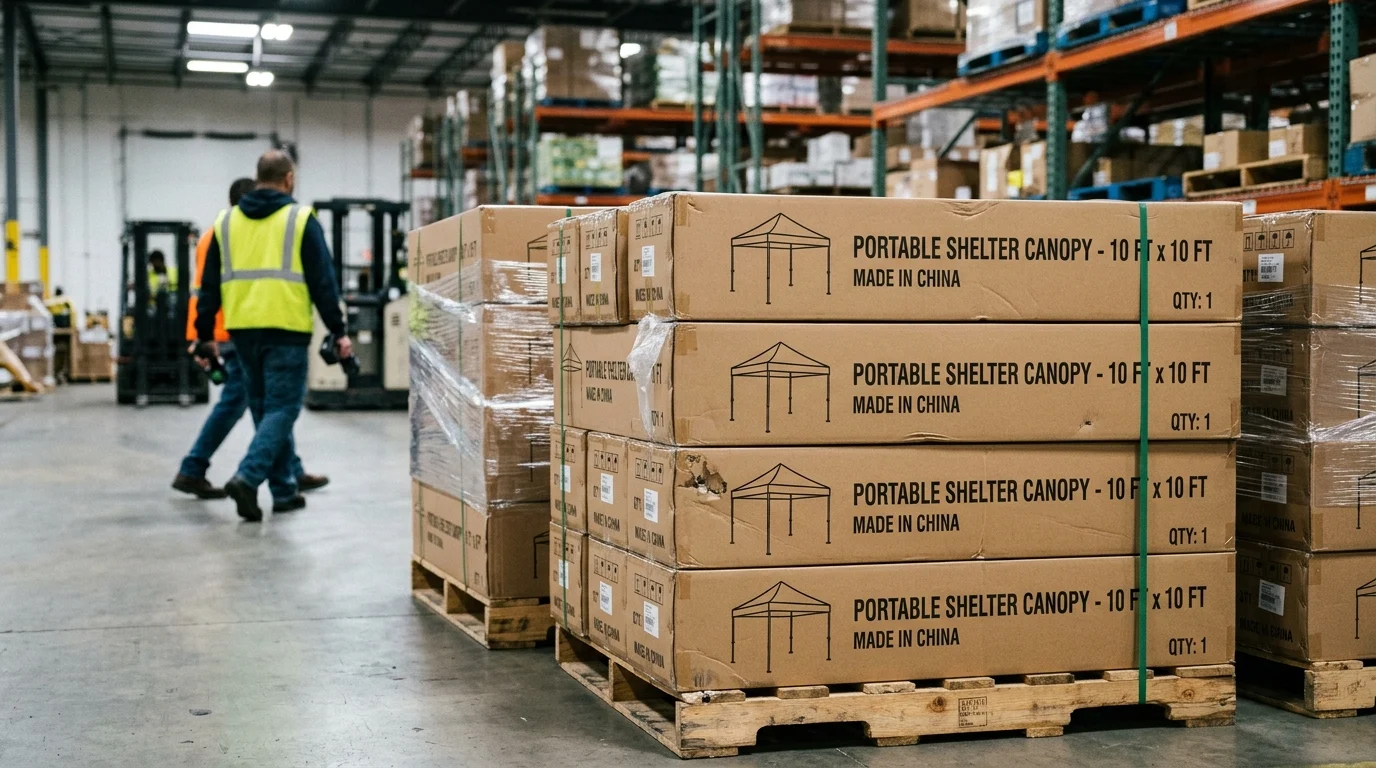
Beyond physical specifications, procuring outdoor shelter systems involves navigating strict regulatory compliance, logistical constraints, and total cost of ownership (TCO) calculations.
Institutional buyers must ensure that any deployed structure adheres to municipal fire codes and safety mandates, while also factoring in the operational costs associated with transport, setup, and long-term maintenance. Standard commercial units often represent a significant capital expenditure that must yield reliable returns over a projected 24 to 36-month lifecycle, making the initial evaluation phase critical to long-term operational success.
Steps to assess compliance and transport needs
Regulatory compliance is non-negotiable when operating in public spaces or sanctioned event grounds. Any professional gazebo must carry standardized fire retardancy certifications, most notably CPAI-84 or NFPA 701, complete with sewn-in tags to instantly pass on-site fire marshal inspections.
Logistically, buyers must account for the packed dimensions and transport weight of the units. A heavy-duty aluminum frame typically collapses to a length of 60 to 65 inches and weighs between 20 and 35 kilograms. This necessitates durable, wheeled transit bags equipped with reinforced base plates and high-tensile handles to prevent workplace injuries. Furthermore, assessing the availability of modular ballasting systems—such as 15-kilogram cast iron foot plates or high-capacity sandbags—is critical for achieving the necessary 30 to 40 mph wind load ratings required by many outdoor venues.
How to match options to budget and use case
Aligning the procurement strategy with budget constraints requires calculating the total cost of ownership rather than focusing solely on the initial retail price.
Key Takeaways
- The most important conclusions and rationale for Canopy
- Specs, compliance, and risk checks worth validating before you commit
- Practical next steps and caveats readers can apply immediately
Frequently Asked Questions
What size portable white canopy is most common for events?
A 10x10 canopy is the standard choice, giving 100 square feet of coverage and fitting most market stalls, vendor spaces, and event grids.
Why choose an aluminum canopy instead of steel?
Aluminum frames are lighter, rust-resistant, and easier to transport. For frequent setup, Season’s Touring Products aluminum folding canopies are better suited to commercial use.
How waterproof should a canopy top be?
For dependable rain protection, choose 500D to 800D polyester with PU or PVC coating and a hydrostatic head above 2000mm.
Is a white canopy better for hot outdoor conditions?
Yes. White fabric reflects more sunlight, helps keep the space cooler, and improves daylight visibility underneath for staff, products, or equipment.
What frame features matter most for wind resistance?
Look for hexagonal or octagonal aluminum legs, 1.2mm to 2.0mm wall thickness, and proper ballast. A heavy-duty 10x10 can reach about 40 mph wind resistance when secured.