


Outdoor Portable Gazebo Choosing Between Folding and Traditional Tents
Selecting the ideal Outdoor Portable Gazeborequires careful consideration. Folding and traditional tents present distinct advantages for various outdoor activities. Individuals compare these options based on specific needs. Key factors guide the choice between folding and traditional Outdoor Portable Gazebos.
Key Takeaways
- Folding gazebos are easy to set up and carry. They are good for quick events and temporary use.
- Traditional gazebos are strong and last a long time. They are best for places where they will stay for a long time.
- Choose your gazebo based on how you will use it. Think about how fast you need to set it up and how long it will stay in one place.
Key Differences in Outdoor Portable Gazebo Design
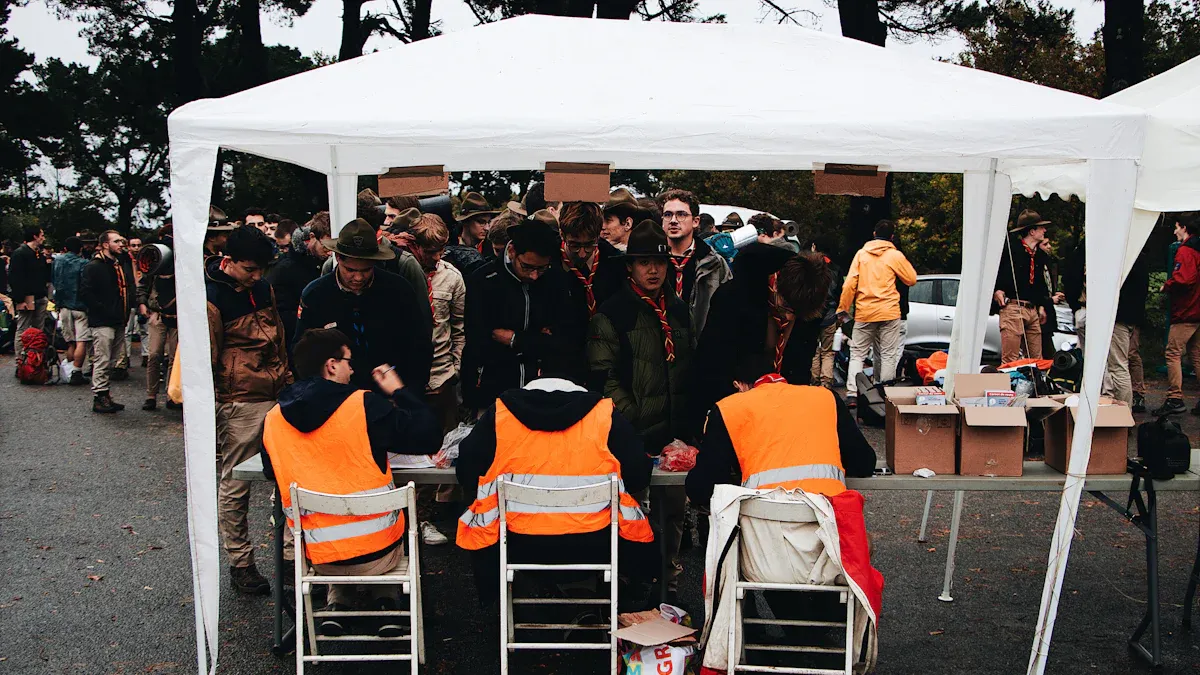
Choosing an Outdoor Portable Gazebo involves understanding fundamental design distinctions. These differences directly impact usability, longevity, and overall value.
Setup Speed and Simplicity
Folding gazebosexcel in rapid deployment. Their pre-assembled frames allow for quick expansion and collapse, often by one person. This design prioritizes convenience, making them ideal for spontaneous events. Traditional gazebos, conversely, require more involved assembly. They typically feature multiple separate poles, connectors, and fabric pieces. Setting up a traditional gazebo takes more time and often requires several individuals. This design suits situations where the gazebo remains in place for extended periods.
Portability and Storage Considerations
Portability is a key advantage of Folding Gazebos. They collapse into a compact size, fitting easily into a carry bag. This design allows for convenient transport in a car trunk or backseat. Storage also becomes simpler, as they occupy minimal space in a garage or shed. Traditional gazebos, however, present greater challenges for portability and storage. Their multiple components and larger disassembled footprint demand more storage room. Transporting a traditional gazebo often requires a larger vehicle or multiple trips.
Durability and Weather Resistance
Durability and weather resistance vary significantly between the two types. Folding Gazebos, while convenient, often feature lighter frames. Manufacturers use specific materials to enhance their resilience.
| Component | Material | Durability Impact |
|---|---|---|
| Frame | Powder-coated steel | Superior strength, resistance to elements, corrosion resistance, longevity |
| Frame | Rust-resistant aluminum | Lightweight, rustproof, sturdy for year-round use, corrosion resistance, longevity |
| Roof | Galvanized steel | High resistance to heavy snow, strong winds, and UV rays |
| Roof | Polycarbonate panels | High resistance to heavy snow, strong winds, and UV rays, better insulation |
| Fabric | High-quality polyester | UV-resistant, water-repellent, tear-resistant |
These materials ensure folding gazebos withstand various conditions for temporary use. Traditional gazebos often boast heavier, more robust construction. They frequently incorporate thicker gauge metals and more substantial roofing materials. This design provides enhanced stability and greater resistance to harsh weather, making them suitable for semi-permanent or long-term installations.
Cost and Long-Term Value
Initial purchase price often differs between folding and traditional gazebos. Folding models, due to their engineered convenience and specialized mechanisms, can sometimes have a higher upfront cost. However, their long-term value comes from their reusability and ease of deployment for numerous events. Traditional gazebos generally offer a lower initial investment. Their long-term value stems from their potential for greater longevity and stability in a fixed location. Maintenance and repair expenses also factor into the overall cost. High-quality materials in both types contribute to reduced repair needs over time.
Intended Use Cases
The intended use heavily influences the choice between gazebo types. Folding gazebos are highly versatile for temporary setups. They serve many outdoor activities and events:
- Weddings
- Markets
- Festivals
- Garden parties
- Family barbecues
- Camping
- Sports and fitness activities (e.g., yoga, pilates, outdoor sports events)
- Outdoor dining and picnics
- Market stalls or craft fair booths
- Children's play areas
- Outdoor learning environments (for schools, nurseries, educational centers)
Traditional gazebos suit more permanent or semi-permanent applications. They provide excellent solutions for backyard patios, long-term event shelters, or dedicated outdoor spaces. Their robust nature makes them a reliable fixture for continuous use.
Advantages of Folding Outdoor Portable Gazebos
Folding gazebos offer significant benefits for users seeking convenience and efficiency. Their design prioritizes ease of use and mobility, making them a popular choice for various outdoor activities.
Rapid Deployment and Takedown
Folding gazebos excel in speed. Users can set up these structures in minutes. Their pre-assembled frames expand quickly, allowing for immediate use. Similarly, takedown is just as fast. This rapid deployment makes them ideal for spontaneous events, market stalls, or temporary shelters where time is a critical factor. Event organizers appreciate the efficiency these gazebos provide.
Compact Transport and Storage
Portability stands as a major advantage for folding gazebos. They collapse into a compact unit, often fitting into a wheeled carry bag. This design allows for easy transport in most vehicle trunks. Storing them also requires minimal space. Owners can keep them in a garage, shed, or even a closet without clutter. This compact nature enhances their appeal for individuals with limited storage options or those who frequently move their shelter.
User-Friendly Operation
Operating a folding Outdoor Portable Gazebo is straightforward. Manufacturers design these units for simplicity. Most models feature intuitive locking mechanisms and telescoping legs. One person can often manage the entire setup process without assistance. This user-friendly design removes the complexity often associated with larger, more traditional structures. It ensures a hassle-free experience for all users, regardless of their technical skill.
Disadvantages of Folding Outdoor Portable Gazebos
Folding Outdoor Portable Gazebo models offer convenience, but they also present certain limitations. Users should consider these aspects before making a purchase decision.
Potential for Reduced Durability
Folding gazebos, while designed for portability, sometimes face challenges with long-term durability. Their lighter construction can lead to concerns regarding frame integrity over extended use. Many users report poor performance in windy conditions, noting that these structures can tip over without proper anchoring. Water resistance also presents an issue for some models. Reports indicate water pooling on canopies and eventual seepage during sustained rain. Seams and zippers often leak before the fabric itself fails. Furthermore, canopies frequently require replacement every 2-3 years due to UV damage from constant sun exposure. Fiberglass frames, for instance, are not suitable for permanent or semi-permanent installations. Soft-top gazebos also have weather limits; gusts over 30 mph risk frame damage regardless of anchoring.
Limited Size and Style Options
Manufacturers typically produce folding gazebos in standard sizes and designs. This standardization limits customization options for buyers. Individuals seeking unique aesthetics or specific dimensions for their outdoor space may find the available choices restrictive. Traditional gazebos generally offer a broader range of styles and sizes, allowing for greater personalization.
Higher Initial Investment
Folding gazebos often come with a higher initial purchase price compared to some traditional models. Their engineered convenience, featuring specialized mechanisms for quick setup and takedown, contributes to this increased cost. While they offer significant value through ease of use and portability, buyers should budget accordingly for this upfront expense.
Advantages of Traditional Outdoor Portable Gazebos
Traditional gazebos offer distinct benefits, especially for those seeking a more permanent or robust outdoor shelter solution. Their design prioritizes strength and adaptability.
Enhanced Stability and Longevity
Traditional gazebos provide superior stability. Manufacturers construct these units with heavier frames and more substantial materials. This robust build allows them to withstand harsher weather conditions, including strong winds and heavy rain. Their sturdy construction ensures a longer lifespan compared to lighter, folding alternatives. Owners can expect these gazebos to remain a reliable fixture in their outdoor space for many years. This durability makes them an excellent long-term investment for any property.
Greater Customization and Size Variety
Traditional gazebos offer extensive customization options. Buyers can choose from a wide range of sizes, shapes, and designs. This variety allows for perfect integration into any landscape or architectural style. Options include different roof types, such as hardtop or soft-top, and various frame materials like wood or heavy-gauge metal. This flexibility ensures customers find an Outdoor Portable Gazebo that precisely matches their aesthetic preferences and functional requirements. They can create a truly unique outdoor living area.
Cost-Effectiveness for Permanent Setups
For permanent or semi-permanent installations, traditional gazebos often prove more cost-effective over time. While the initial investment might be higher for some custom or larger models, their exceptional durability reduces the need for frequent replacements or major repairs. This longevity translates into significant savings in the long run. Property owners gain a lasting structure that provides consistent shelter and enhances property value without recurring expenses.
Disadvantages of Traditional Outdoor Portable Gazebos
Traditional gazebos, while robust, present specific drawbacks. Users must consider these limitations before committing to this type of structure. Their design often prioritizes permanence over convenience.
Time-Consuming Assembly
Traditional gazebos require significant time for assembly. They consist of numerous individual components. Users must connect poles, attach connectors, and secure fabric or panels. This process is often intricate. It demands patience and careful attention to instructions. Setting up a traditional gazebo typically requires multiple individuals. This makes them unsuitable for quick, spontaneous events. The extended setup time contrasts sharply with the rapid deployment of folding models.
Complex Storage and Transport
Traditional gazebos pose challenges for storage and transport. They disassemble into many large, bulky pieces. These components demand considerable storage space. Owners often need a dedicated area in a garage or shed. Transporting a traditional gazebo is also difficult. Its size and weight usually necessitate a larger vehicle. Frequent relocation becomes impractical due to the complexity of packing and moving these structures. This limits their versatility for users who need a portable solution.
Requires More Effort for Setup
Setting up a traditional gazebo demands more physical effort. Users must lift heavy poles and maneuver large panels. The assembly process involves repetitive tasks like tightening bolts or securing fabric. This physical exertion can be considerable. It contrasts with the minimal effort required for folding gazebos. The increased effort makes traditional models less appealing for individuals seeking an easy, hassle-free outdoor shelter solution.
Cost Considerations for Your Outdoor Portable Gazebo
Initial Purchase Price Comparison
Folding gazebos often present a higher initial purchase price. Their engineered convenience and specialized mechanisms contribute to this cost. Traditional gazebos can have a lower entry point. However, their cost varies significantly based on size, materials, and customization. Buyers should consider their budget for the upfront expense.
Maintenance and Repair Expenses
Maintenance and repair expenses influence the overall cost. High-quality materials in both folding and traditional models reduce the need for frequent repairs. Traditional gazebos, with their robust construction, often require less intensive upkeep over time. Regular cleaning and inspections extend the lifespan of any gazebo.
Long-Term Investment Value
Traditional gazebos offer significant long-term investment value. High-quality models, built with pressure-treated wood, corrosion-resistant metal, or composite materials, last 20-30 years with basic upkeep. Their solid roofs and enclosed frames protect structural components from weather. These structures can increase property value by 5-10%. They provide decades of usable outdoor space. Gazebos offer unmatched utility, transforming backyards into year-round retreats. They enhance lifestyle and add long-term value.
| Gazebo Type | Durability/Lifespan |
|---|---|
| Hardtop Gazebos | 10-20+ years (exceptional durability, robust construction, weather-resistant materials) |
| Soft Top Gazebos | 5-10 years (lower durability, influenced by exposure and fabric wear) |
| Pop-Up Gazebos | 1-5 years (lightweight, temporary, lower durability) |
Several factors enhance this long-term value. Material selection is crucial; wood requires regular staining, while metal needs rust-resistant coatings. Local climate and weather conditions demand sturdy, properly installed hardtop gazebos in harsh areas. Strategic gazebo placement, shielded from strong winds and excessive sun, also enhances durability. Regular care and maintenance, including cleaning, debris removal, and prompt repairs, are essential. Applying protective coatings and clearing snow in snowy regions further extends the gazebo's life.
Choosing the Right Outdoor Portable Gazebo
Selecting the appropriate gazebo requires careful evaluation of specific needs and priorities. Both folding and traditional models offer distinct advantages. Understanding these differences helps individuals make an informed decision.
When to Opt for a Folding Gazebo
Individuals often choose a folding gazebo for its convenience and mobility. These structures excel in situations demanding quick setup and takedown. They are ideal for temporary events where portability is paramount.
Consider a folding gazebo for these specific scenarios:
- Sporting events
- Backyard barbecues
- Market stalls
- Backyard parties
- Family gatherings
- General backyard enjoyment
- Outdoor weddings and backyard parties
- Trade show booths or pop-up shops
- Garden relaxation spaces
- Beach shade setups
- Events or exhibitions that require frequent movement or setup
A folding gazebo provides an excellent solution for users who prioritize ease of transport and rapid deployment.
When to Select a Traditional Gazebo
Traditional gazebos offer superior stability and a more permanent presence. They suit users seeking a long-lasting structure for a fixed location. These gazebos provide robust shelter and often enhance the aesthetic of an outdoor space.
A traditional gazebo is the preferred choice for these uses:
- Quiet retreats for reading or meditation
- Small gatherings like intimate dinner parties or family conversations
- Garden focal points to enhance landscape design
- Screened protection for bug-free outdoor enjoyment on summer evenings
- Weather shelter providing comfort during light rain or intense sun
These structures offer enduring value and integrate seamlessly into a landscape design.
Matching Your Needs to the Tent Type
The decision between a folding and traditional gazebo ultimately depends on aligning the product with specific user requirements. Several factors guide this choice.
| Factor | Options/Considerations | Best Fit For |
|---|---|---|
| Climate | Hardtop: withstands extreme weather; Soft top: suited for mild, seasonal use | Harsh climates (Northern Europe, North America); Mild climates (Southern Europe, Central America) |
| Usage | Patio: relaxation; Grill: outdoor cooking; Pop-up: portable, temporary setups | Backyards, residential spaces; Barbecue areas, outdoor kitchens; Events, camping |
| Aesthetic Appeal | Modern designs: sleek, neutral tones; Traditional styles: wooden, octagonal; Pergolas: open, plant-friendly | Urban homes, commercial spaces; Gardens, countryside; Green spaces, decorative landscaping |
| Budget | Premium: hardtop, screened with extra features; Budget: soft tops, pop-up | High-end buyers, luxury markets; Cost-conscious buyers |
| Market Trends | Eco-friendly: bamboo, recycled plastic; Smart features: lighting, solar panels, Bluetooth | Sustainable product markets; Luxury and tech-savvy customers |
Users must evaluate their local climate conditions. They consider the primary purpose of the gazebo. Aesthetic preferences also play a significant role in the selection process. Budget constraints and current market trends further influence the final decision. By carefully weighing these factors, individuals can choose the gazebo that best serves their outdoor needs.
Selecting the ideal Outdoor Portable Gazebo requires careful consideration. Evaluate setup speed, portability, durability, and cost. Align your choice with specific needs, budget, and intended use. Prioritize features that best support your outdoor activities. This ensures a valuable addition to any event or space.
FAQ
How quickly can one set up a folding gazebo?
Folding gazebos offer rapid deployment. Users can typically set them up in minutes. Their pre-assembled frames expand quickly for immediate use.
Which gazebo type is easier to transport?
Folding gazebos are significantly easier to transport. They collapse into a compact unit. This design allows for convenient carrying and storage in small spaces.
Do traditional gazebos offer better weather resistance?
Yes, traditional gazebos provide superior weather resistance. They feature heavier frames and robust materials. This construction withstands harsher conditions, including strong winds and heavy rain.