


1.8mm Thick Aluminum Frame Pop Up Tent: Unmatched Stability for Outdoor Events
Introduction
Choosing a pop up gazebo for events is less about appearance than about how the frame performs under wind, repeated setup, and heavy commercial use. A 1.8mm thick aluminum structure marks a clear step up from lighter-duty options, offering stronger resistance to bending, fatigue, and failure while still remaining practical to transport and assemble. This article explains why frame thickness matters, how it affects durability and stability, and what professional buyers should look for when comparing materials and build quality. From outdoor exhibitions to branded vendor setups, the following sections show how a heavier-duty aluminum gazebo can reduce risk and improve long-term value.
Why a 1.8mm thick aluminum frame gazebo matters
For professional event organizers, fleet managers, and commercial vendors, structural failure during an outdoor exhibition presents a critical operational liability. The transition from basic recreational canopies to a commercial-grade folding tent necessitates a rigorous technical evaluation of frame material and gauge. Outdoor environments introduce unpredictable aerodynamic stressors and variable terrain, meaning standard market offerings utilizing 0.8mm to 1.2mm steel or low-grade aluminum are highly susceptible to metal fatigue, bending, or catastrophic snapping. Upgrading to a 1.8mm thick aluminum profile establishes a foundational baseline for high-frequency, all-weather deployment, ensuring that the asset performs reliably across hundreds of rapid setup and teardown cycles without compromising structural integrity or aesthetic professionalism.
Key benefits of a heavy-duty pop-up gazebo
A 1.8mm wall thickness in an extruded aluminum matrix, particularly when utilizing aerospace-grade 6005-T5 or 6061-T6 alloys, provides a vastly superior strength-to-weight ratio compared to standard commercial alternatives. This specific heavy-duty gauge prevents structural buckling under lateral wind loads that routinely exceed 40 mph, a critical threshold where thinner, consumer-grade frames experience permanent deformation. Furthermore, the inherent corrosion resistance of anodized or powder-coated aluminum ensures that the pop-up infrastructure remains structurally sound and visually pristine over a multi-year lifecycle. This metallurgical advantage directly mitigates the recurring replacement costs associated with inferior steel variants that suffer from rapid oxidative degradation when exposed to coastal humidity, morning dew, or persistent precipitation.
Essential gazebo terms to know
Navigating the procurement of commercial shelter systems requires familiarity with specific industry nomenclature to ensure exact engineering specifications are met. "Leg profile" refers to the cross-sectional geometric shape of the primary vertical supports; hexagonal or octagonal profiles with a 40mm to 50mm outer diameter are standard for 1.8mm frames, offering a significantly greater surface area for load distribution and torsion resistance compared to basic 25mm square profiles. "Truss bars" are the dynamic, folding cross-bracing elements that support the canopy peak; in premium models, these feature reinforced internal ribs to resist shearing forces. Additionally, understanding canopy textile specifications, such as "Denier" (typically 500D to 800D for rigorous commercial applications) and polyurethane (PU) or polyvinyl chloride (PVC) waterproofing treatments, is vital for ensuring the fabric's weatherproofing capabilities align perfectly with the robust gazebo frame.
How a 1.8mm thick aluminum frame gazebo compares
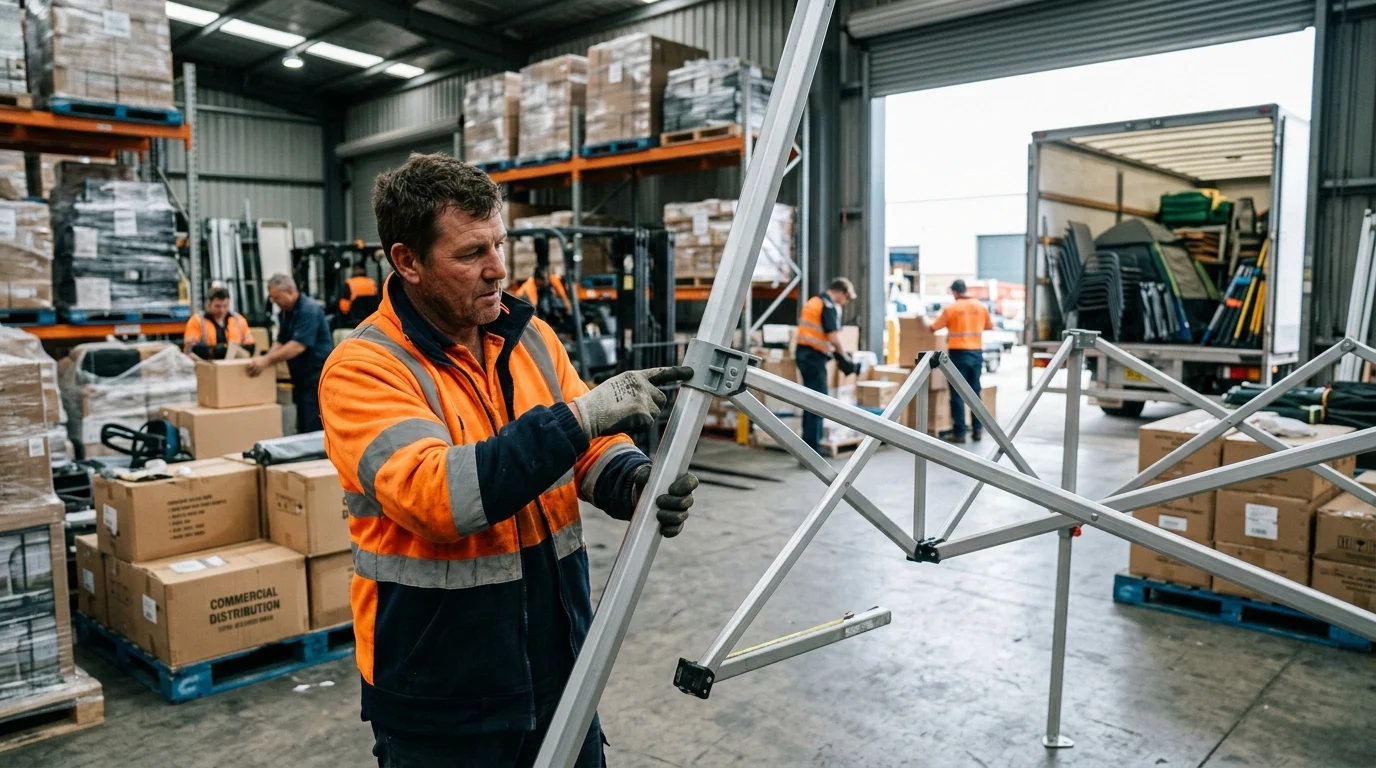
Evaluating canopy architecture requires objectively benchmarking the 1.8mm aluminum structure against ubiquitous market alternatives. The disparities between standard recreational models and a specialized folding gazebo become pronounced when analyzing mechanical stress tolerance, component fatigue over time, and overall assembly logistics. A comparative approach is essential for procurement officers aiming to maximize the utility and lifespan of their event infrastructure.
Main technical factors to compare
The primary technical differentials between structural tiers lie in the material yield strength and the engineering of the joint articulation systems. Standard 1.2mm aluminum frames often utilize fiberglass or high-impact polymer joints to reduce manufacturing costs; however, these materials become brittle under prolonged ultraviolet (UV) exposure or sub-zero temperatures, leading to cracking during deployment. Conversely, 1.8mm thick structures frequently integrate cast aluminum or heavy-duty nylon-fiberglass composite brackets bolted with stainless steel hardware, vastly increasing the shear strength of the truss intersections. Furthermore, while a standard 10x10 foot steel canopy might weigh upward of 65 lbs but safely withstand only 15 to 20 mph winds, a 1.8mm aluminum counterpart maintains a highly manageable transport weight profile of approximately 50 to 55 lbs while safely tolerating wind gusts up to 50 mph when properly anchored with 40 lb base weights per leg.
Quick comparison table
The following matrix outlines the operational specifications and thresholds across three common frame configurations, illustrating the technical and functional superiority of the 1.8mm gauge in demanding commercial applications.
| Specification | 0.8mm Powder-Coated Steel | 1.2mm Standard Aluminum | 1.8mm Heavy-Duty Aluminum |
|---|---|---|---|
| Leg Profile | 25mm Square | 30mm Square / 40mm Hex | 40mm - 50mm Hexagonal |
| Wind Load Rating | 15 - 20 mph | 25 - 30 mph | 40 - 50 mph |
| Frame Weight (10x10) | 60 - 65 lbs | 40 - 45 lbs | 50 - 55 lbs |
| Est. Lifecycle | 1 - 2 Years | 2 - 3 Years | 5+ Years |
| Optimal Use Case | Occasional / Light Duty | Weekly Farmers Markets | Daily Commercial / Industrial |
What to evaluate before choosing a commercial gazebo
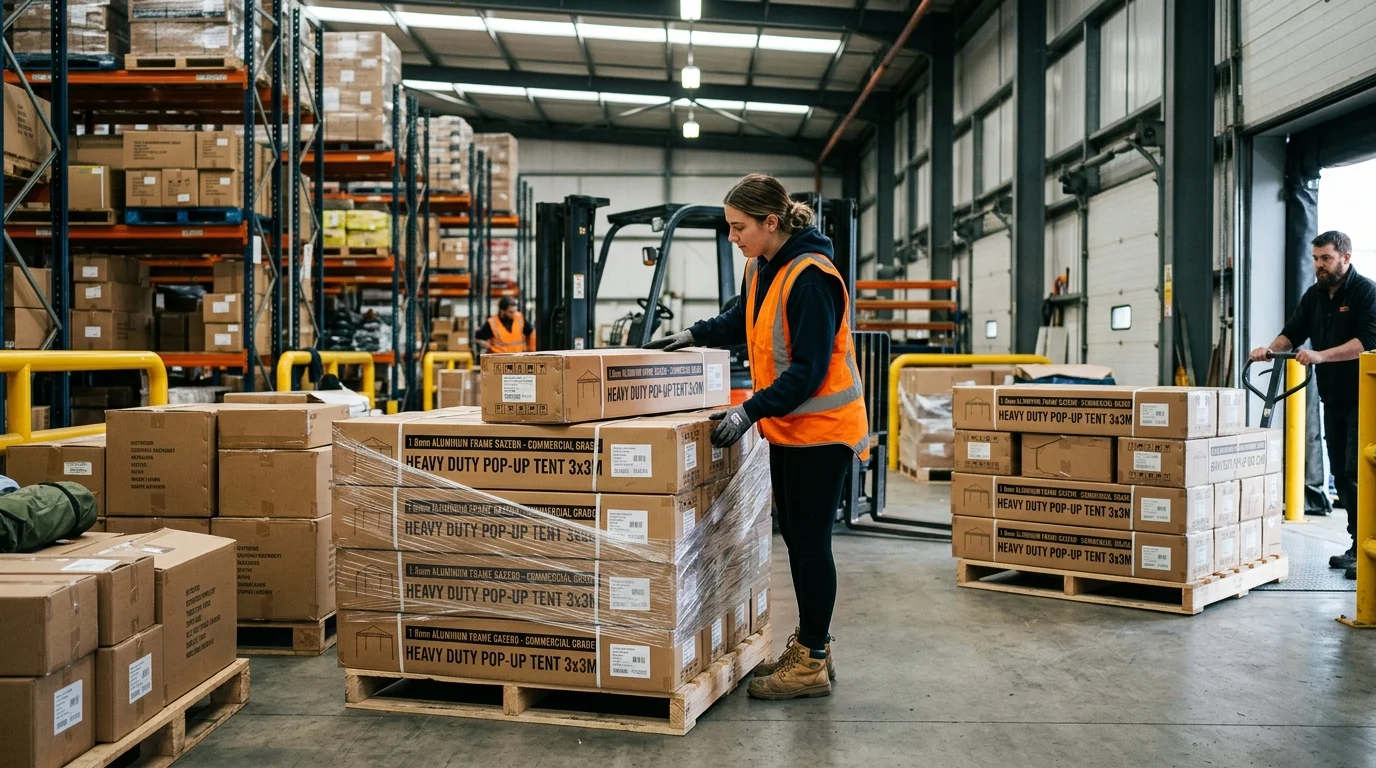
The procurement of a commercial-grade tent demands a highly analytical approach focused on risk management and asset utilization. Fleet managers, experiential marketing agencies, and event coordinators must carefully balance initial capital expenditures against long-term asset reliability, brand presentation consistency, and strict adherence to municipal safety regulations.
Practical selection and sourcing steps
Strategic sourcing begins with verifying technical certifications and assessing supplier manufacturing capabilities. Buyers must mandate material data sheets confirming the specific aluminum alloy grade (e.g., 6061-T6) and the precise 1.8mm extrusion thickness, as visual inspections alone cannot verify metal gauge. For high-volume enterprise buyers and franchise operators, negotiating a Minimum Order Quantity (MOQ) of 10 to 50 units can yield highly favorable pricing structures on custom dye-sublimation printing for the canopy top and valances. Furthermore, it is absolutely imperative to ensure the canopy fabric strictly complies with international fire-retardant standards, such as CPAI-84 or NFPA-701. Local fire marshals routinely inspect outdoor event setups and will issue immediate operational halts for non-compliant structures lacking sewn-in certification tags.
Final decision guidance
The ultimate purchasing decision should be driven by the Total Cost of Ownership (TCO) and annualized depreciation rather than the baseline retail price.
Key Takeaways
- The most important conclusions and rationale for gazebo
- Specs, compliance, and risk checks worth validating before you commit
- Practical next steps and caveats readers can apply immediately
Frequently Asked Questions
Why choose a 1.8mm aluminum frame gazebo over a standard canopy?
A 1.8mm frame offers better wind resistance, less bending, and longer service life than 0.8–1.2mm recreational models, especially for frequent commercial use.
How much wind can a 1.8mm pop up gazebo handle?
With proper anchoring, many 1.8mm aluminum gazebos can tolerate gusts up to about 50 mph. Use around 40 lb base weights per leg for safer setup.
What frame details should I check before buying a commercial gazebo?
Look for 1.8mm wall thickness, 40–50mm hex or octagonal legs, reinforced truss bars, cast aluminum or heavy-duty composite joints, and stainless steel hardware.
Is a 1.8mm aluminum gazebo better than steel for outdoor events?
Yes, for many event users. It stays lighter to transport, resists rust better, and maintains strength in wet or coastal conditions better than basic steel frames.
Where can I find heavy-duty folding gazebos for commercial use?
Seasons Touring Products offers commercial-grade Folding Gazebos and aluminum peak folding tent options designed for repeated event setup, transport, and outdoor weather exposure.